When the Refund Becomes the Robbery: Inside the Fake Billing Scam That Empties American Bank Accounts

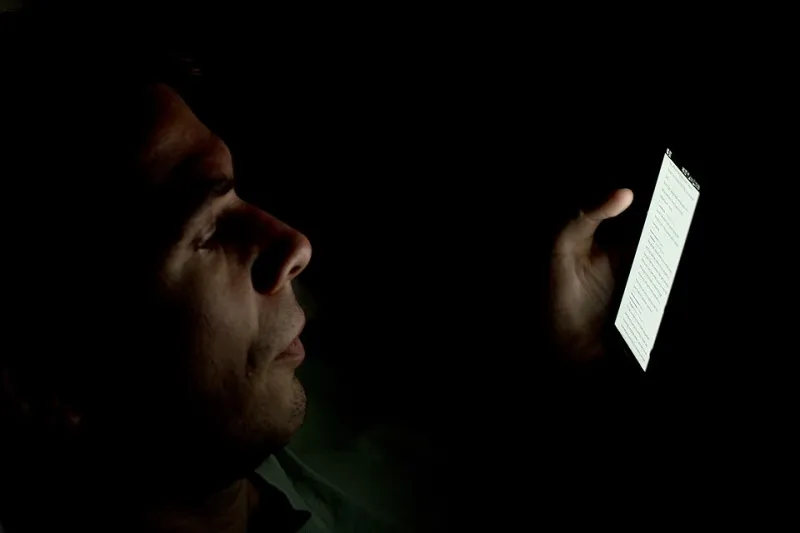
Photo by Photo by Volodymyr Hryshchenko on Unsplash on Unsplash
It starts with a phone call that seems entirely reasonable. A representative claims your Norton subscription renewed in error, and the company owes you a refund of roughly two hundred dollars. All you have to do is help them process it. Within the hour, victims across the United States have watched five-figure sums vanish from their checking accounts — money the scammer never actually sent.
This is refund fraud, and it has become one of the most profitable social engineering operations targeting American consumers today.
Anatomy of the Con
Consider how a typical call unfolds, reconstructed from victim reports filed with the FTC and state attorneys general.
The caller opens with verifiable-sounding details: a subscription name, an approximate renewal date, sometimes the last four digits of a card. Much of this comes from data breaches or purchased lead lists, which is why the caller sounds legitimate before they have earned it.
Then comes the hook. "We processed a renewal by mistake. We'd like to refund you $249.99." The amount is small enough to feel low-stakes and precise enough to feel real.
Next, the pivot. The victim is told the refund can only be issued by bank transfer, a gift card, or — most commonly — through the scammer "logging in" to the victim's online banking portal via remote access software to "process the transaction."
Here is the sleight of hand that defines the entire scam. While connected, the fraudster opens the victim's own account, displays the balance, and quietly edits the visible amount using the browser's developer tools or a manipulated overlay. A $200 balance becomes $20,000. "Oh no," the scammer exclaims, "we accidentally sent you twenty thousand. Please return the difference immediately, or my job and possibly your account will be frozen."
The urgency is manufactured, the panic is real, and the victim wires or transfers their own money to fix a problem that never existed. No refund was ever sent.
Why Smart People Fall for It
Refund scams exploit a psychological inversion. Most consumers are conditioned to be suspicious when someone asks for money, but their guard drops when they believe they are receiving it. The scam weaponizes politeness, fear of causing trouble for a helpful agent, and the sheer authority of a familiar brand name.
The remote-access component adds another layer. Victims watch their own screen, see their own bank's logo, and assume what they're seeing is trustworthy. It never occurs to them that the numbers on the screen can be forged.
The Verification Rule That Breaks the Spell
There is exactly one habit that defeats this scam, and it takes ten seconds: hang up and call the company yourself using the number on your card or the official website.
Not the number the caller provides. Not a callback to the number that called you. The genuine published number.
No legitimate company — Norton, Microsoft, your bank, anyone — will ever ask you to:
- Install remote access software to receive a refund
- Purchase gift cards as part of a transaction
- Return money because of an "overpayment"
- Keep the call secret from family members or your bank
If a caller objects to you verifying independently, that objection is your answer. Real billing departments welcome verification; fraudsters depend on preventing it.
What to Do If You've Been Hit
Speed matters enormously. If you granted remote access or moved money under pressure, contact your bank's fraud department immediately — federal protections under Regulation E can limit liability on unauthorized transfers, but only if reported quickly. Then change your banking passwords from a clean device, run a full malware scan to confirm the scammer left no remote-access tools behind, and file a report at ReportFraud.ftc.gov.
A two-hundred-dollar refund should never cost you twenty thousand. With one skeptical phone call, it never has to.